Before tackling barnacle buildup, understand the purpose of a barnacle buster. This guide outlines safe preparation, effective application, and post‑cleaning care to protect vessels and ecosystems while ensuring compliance with maritime regulations.Keep hull smooth, extend lifespan, save fuel daily!!
What Are Barnacles?
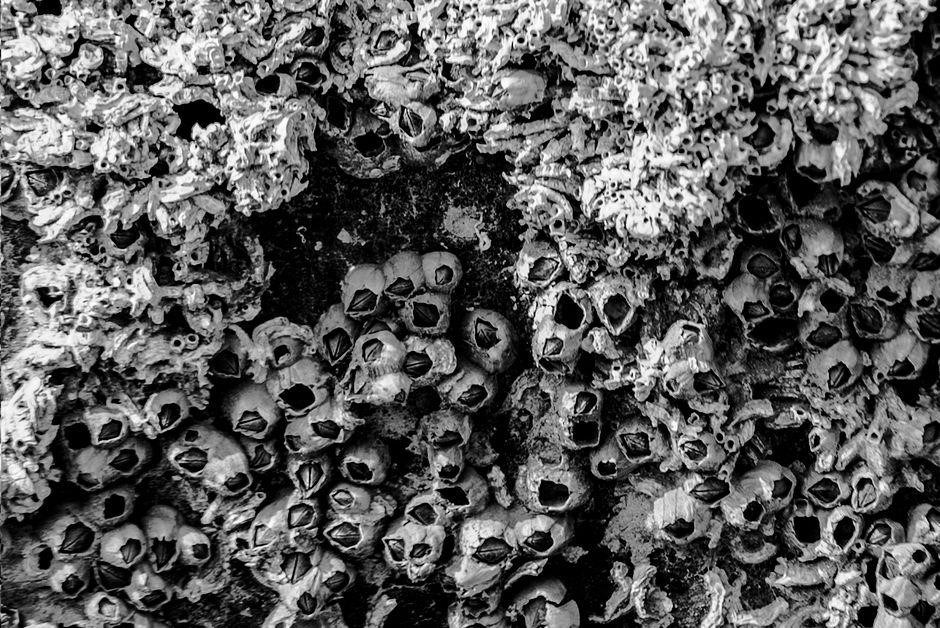
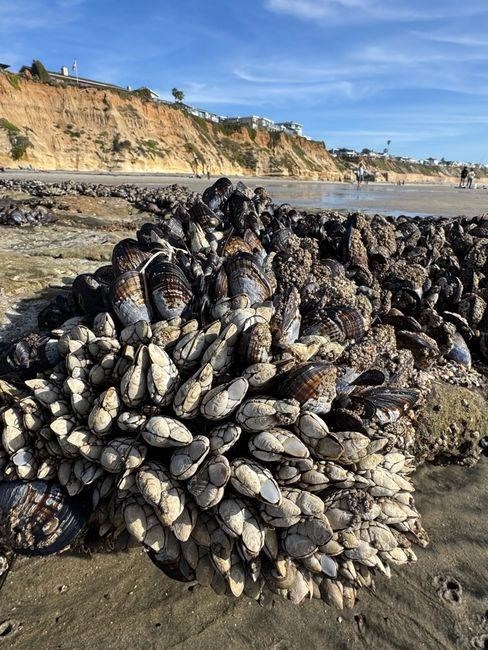
Barnacles are tiny, calcified crustaceans that attach permanently to submerged surfaces. They grow in clusters, forming hard shells that can damage hulls, increase drag, and reduce fuel efficiency. Their rapid growth demands regular inspection and removal. Clean hullnow
Physical Characteristics
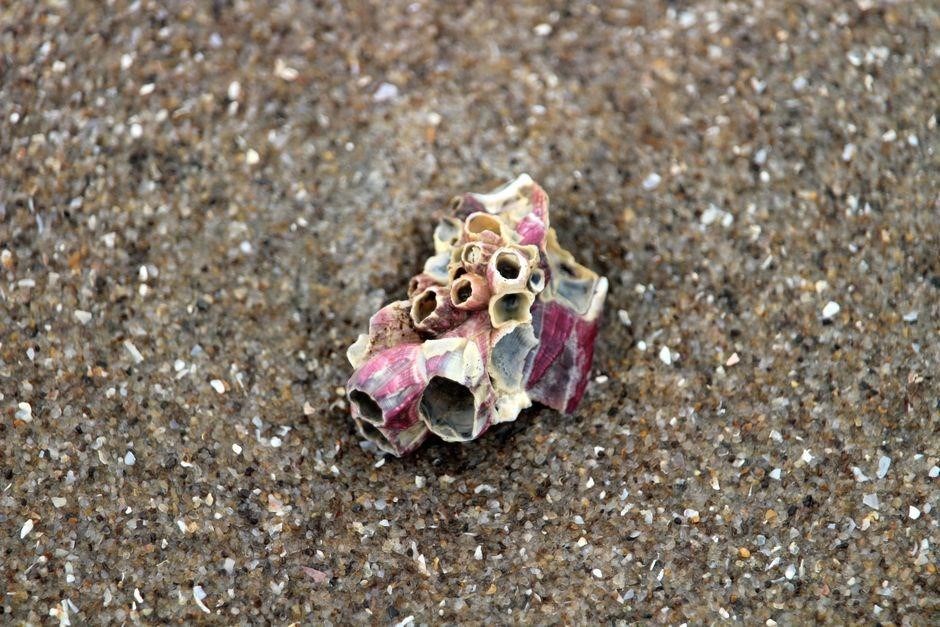
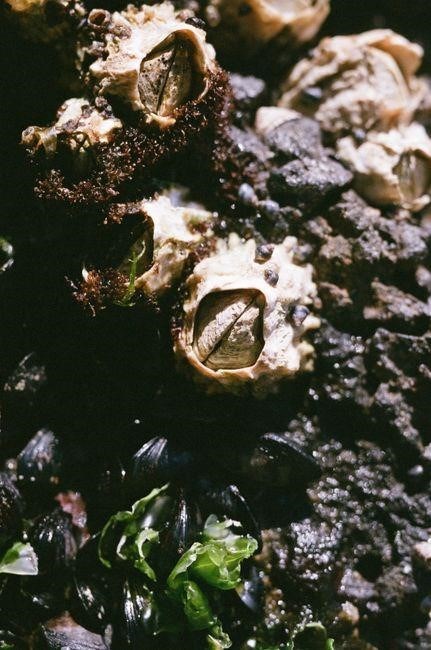
Barnacles are small, sessile crustaceans that attach permanently to hard surfaces in marine environments. Their bodies are encased in a hard, calcified shell made of calcium carbonate, providing protective armor. The shell typically has two valves that open and close around a central soft body. The outer shell is smooth or slightly ridged, while the inner surface has plates that give structural support. They also secrete glue.. The barnacle’s body has a central stalk, the peduncle, anchoring it to the substrate. Attached to the peduncle is a cup‑shaped structure that houses the feeding appendages, the cirri, which extend into the water to filter plankton and detritus. These feathery, flexible cirri can move rapidly to capture food particles. The feeding mechanism is efficient, allowing barnacles to thrive in nutrient‑rich waters. Size varies widely, from a few millimeters to several centimeters in diameter, depending on species and conditions. Some species, like the common acorn barnacle, can reach up to 5 cm in diameter, while others remain smaller. Coloration ranges from pale gray to dark brown, often blending with the surrounding environment. Growth is modular, with new plates added incrementally as the organism matures, expanding surface area and feeding capacity over time. The morphology is adapted to a sessile lifestyle, featuring a strong attachment, a protective shell, and efficient feeding structures that enable survival in harsh marine conditions. These physical traits make barnacles a persistent challenge for marine vessels, requiring regular maintenance and removal to prevent damage and maintain optimal performance. Their robust shells also make them difficult to remove without specialized tools.

Common Locations
Barnacles are opportunistic colonizers, favoring any surface that offers a stable, nutrient‑rich environment. The most frequent sites on a vessel include the hull’s underside, where currents carry plankton and organic matter, and the keel, which experiences high turbulence that brings food particles. Deck fittings, such as cleats, winches, and railings, provide small crevices and metal edges that barnacles latch onto. The stern and bow, especially in shallow or sheltered waters, accumulate barnacles because of reduced wave action and increased sediment deposition. Propeller shafts and rudder blades are also common targets, as the rotating motion creates a continuous supply of nutrients. In addition, mooring lines and anchor chains can become encrusted, increasing drag and compromising stability. Even small gaps around hull seams or around the bilge pumps can host barnacle colonies, especially in tropical or temperate seas where growth rates are high. The presence of barnacles in these areas not only adds weight but also disrupts hydrodynamics, leading to higher fuel consumption. Therefore, regular inspection of these high‑risk zones is essential for maintaining vessel performance and preventing costly repairs. In many ports, barnacle growth is exacerbated by the presence of algae and barnacle larvae that settle quickly on any exposed metal. The accumulation is often visible as a dull, grayish film that can be mistaken for paint wear if not inspected closely. To mitigate this, many shipping companies employ antifouling coatings that release biocides or create a slick surface that deters attachment. However, these coatings require periodic renewal and careful handling to avoid environmental harm. Regular monitoring ensures early detection and reduces long‑term maintenance costs. These insights guide crews in prioritizing cleaning schedules. Keep.
Why Barnacles Matter
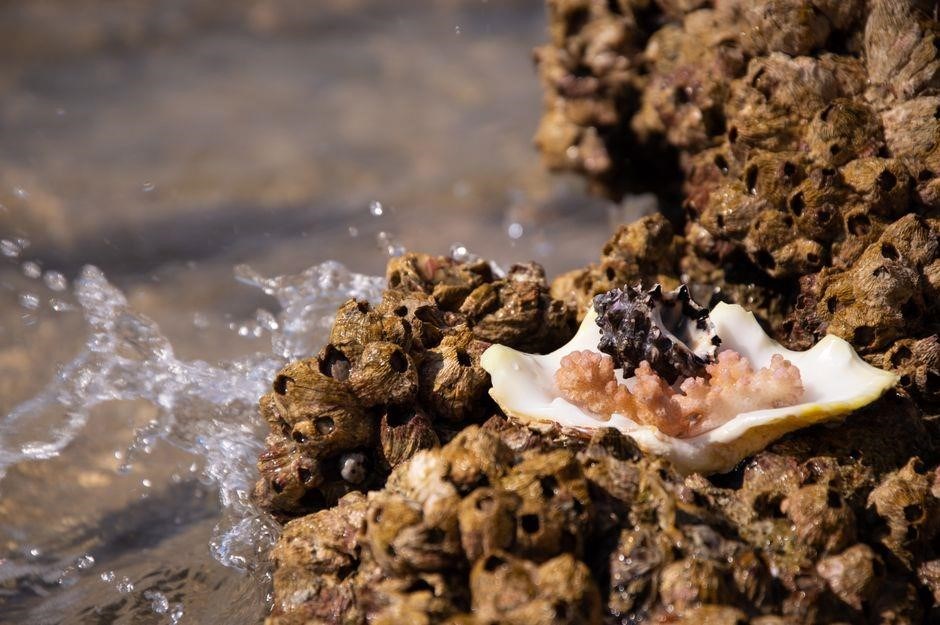
Barnacles alter a vessel’s hydrodynamics, increasing drag and fuel consumption. Their growth also compromises hull integrity, leading to costly repairs. Environmentally, they disrupt marine ecosystems by competing with native species and altering habitats. This can cut speed by 10% and raise fuel costs. daily
Impact on Vessels
Barnacle accumulation on a ship’s hull creates a rough surface that disrupts laminar flow, forcing the vessel to work harder against water resistance. This increase in drag can translate into a measurable rise in fuel consumption—often ranging from 5% to 15% depending on the size of the infestation and the speed of the vessel. In addition to the economic impact, the physical weight of barnacles adds to the overall displacement of the ship, subtly altering its trim and stability characteristics. Over time, the constant pressure and friction exerted by these organisms can lead to micro‑cracks and corrosion in the hull plating, especially in areas where the barnacles attach tightly to the metal. Such structural compromises may necessitate expensive repairs or even hull replacement if left unattended. Moreover, barnacle growth can interfere with the proper functioning of onboard equipment, such as propeller blades and rudders, by causing uneven loading or mechanical binding. This not only reduces propulsion efficiency but can also lead to premature wear of critical components. For commercial operators, the cumulative effect of these factors can result in higher operating costs, reduced vessel availability, and diminished competitiveness in the market. Therefore, regular inspection and timely removal of barnacles are essential practices for maintaining optimal performance, ensuring safety, and extending the service life of maritime vessels. In addition, the presence of barnacles can complicate maintenance procedures, as crews must allocate extra time for cleaning and inspection, thereby reducing overall operational efficiency. The environmental impact is also significant; barnacles can act as a vector for invasive species, spreading them to new locations and disrupting local marine biodiversity. Consequently, many maritime authorities have instituted strict regulations mandating regular hull cleaning and the use of approved anti‑fouling treatments. Failure to comply can result in penalties, increased insurance premiums, or even grounding of vessels pending remediation. By proactively addressing barnacle buildup, shipowners can safeguard their assets, protect the marine environment, and uphold regulatory standards. Ultimately, a well‑maintained hull not only preserves performance but also enhances the vessel’s resale value and market reputation. Regular hull inspections can also identify early signs of corrosion, allowing for intervention before costly damage ensues.
Environmental Concerns
Barnacle infestations pose significant ecological risks beyond their impact on vessel performance. The organisms themselves are native to many marine ecosystems, yet when they attach to foreign hulls they can act as vectors, transporting non‑native species across oceans. The biofouling can introduce invasive barnacles, mussels, and algae to new habitats, where they outcompete local flora and fauna, disrupt food webs, and alter habitat structures. The spread of such organisms can lead to the decline of native species, reducing biodiversity and threatening the resilience of marine ecosystems. Additionally, the chemicals used in some anti‑fouling paints and barnacle busters may leach into the surrounding water, potentially harming plankton, fish larvae, and other sensitive organisms. Even low concentrations of biocides can accumulate in the tissues of filter feeders, leading to sublethal effects such as reduced growth, impaired reproduction, and increased susceptibility to disease. Furthermore, the physical removal of barnacles often involves scraping or blasting, which can release particulate matter and microplastics into the water column, contributing to sedimentation and smothering of benthic habitats. The cumulative effect of these activities can degrade water quality, impair navigation safety, and increase the risk of oil spills due to compromised hull integrity. To mitigate these environmental concerns, mariners are encouraged to adopt environmentally friendly barnacle removal techniques, such as mechanical cleaning with non‑abrasive tools, the use of biodegradable coatings, and the implementation of hull maintenance schedules that minimize the need for harsh chemicals. Regulatory frameworks, like the International Maritime Organization’s regulations on antifouling systems, aim to balance vessel performance with ecological stewardship. By staying informed about the latest sustainable practices and adhering to best‑practice guidelines, ship operators can reduce their ecological footprint while maintaining safe and efficient operations. Sustainable practices help protect marine life!
Preparing for the Barnacle Buster
Gather safety gear, inspect the hull, and select the right equipment. Ensure all protective clothing fits, check the barnacle buster’s compatibility, and prepare a clean workspace to avoid contamination. Follow local regulations and safety guidelines.!!!!!!
Safety Gear
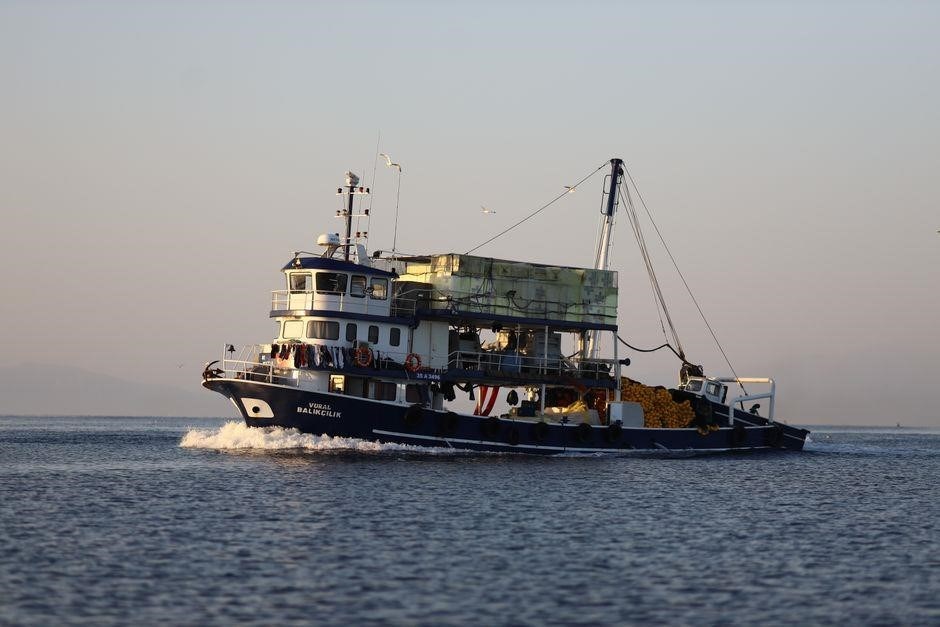
When preparing to apply a barnacle buster, personal protective equipment (PPE) is non‑negotiable. Start with chemical‑resistant gloves—preferably nitrile or neoprene—to shield hands from corrosive agents and abrasive residues. Eye protection is equally critical; safety goggles or a full face shield should block splashes and airborne particles. A respirator equipped with a particulate filter (e.g., P100) protects against fine dust and fumes that may arise during surface preparation or chemical application. Protective clothing—long‑sleeved shirts, pants, and a coverall—prevents skin exposure; choose fabrics treated with chemical‑resistant coatings. Footwear must be closed‑toe, non‑slip, and resistant to chemicals; rubber boots with a puncture‑proof sole are ideal. For operations near loud machinery or in confined spaces, include ear protection such as double‑layer earplugs or earmuffs. Additionally, a safety harness or fall arrest system is mandatory when working on deck or high platforms. Always verify that all gear is in good condition, properly fitted, and compliant with local safety regulations before beginning the barnacle removal process. Proper PPE not only safeguards the operator but also ensures the integrity of the treatment, preventing accidental spills or contamination that could compromise the vessel’s hull and the surrounding marine environment. By following these procedures, you protect your vessel’s integrity and contribute to marineecosystem forgenerations and ensure safety!
Choosing the Right Equipment
Selecting the correct tools is essential for efficient barnacle removal. Begin with a high‑pressure washer capable of 2500–3000 psi; this delivers the force needed to dislodge stubborn colonies. Pair it with a variable‑speed nozzle to adjust spray patterns for delicate hull sections. For manual scraping, a stainless‑steel brush with angled bristles offers precision without damaging paint. A rubber‑cushioned scraper can remove residue while protecting the surface. Chemical application requires a pump sprayer equipped with a fine‑mist nozzle to ensure even coverage; a 1‑gal pump is adequate for most vessels. When using a barnacle buster gel, a foam applicator or a brush‑tipped wand provides controlled deposition. A UV‑resistant tarp or plastic sheeting protects surrounding areas from overspray. A portable workbench or ladder with secure footing aids in reaching high or recessed spots. Finally, a digital pressure gauge and a calibrated spray timer help maintain consistent application pressure and dwell time, ensuring the treatment’s efficacy without over‑exposure. By matching equipment to the vessel’s size, hull material, and barnacle density, operators can achieve thorough removal while preserving structural integrity and minimizing environmental impact. Adhering to these equipment guidelines not only streamlines the cleaning process but also extends the hull’s lifespan, reduces fuel consumption, and safeguards marine life from chemical runoff.
Moreover, investing in a high‑quality, corrosion‑resistant spray gun can reduce maintenance downtime and improve application precision, especially on large vessels where uniform coverage is critical. Always verify that all equipment complies with the latest maritime safety standards before deployment. Thanks. Enjoy. Done!
Step-by-Step Instructions
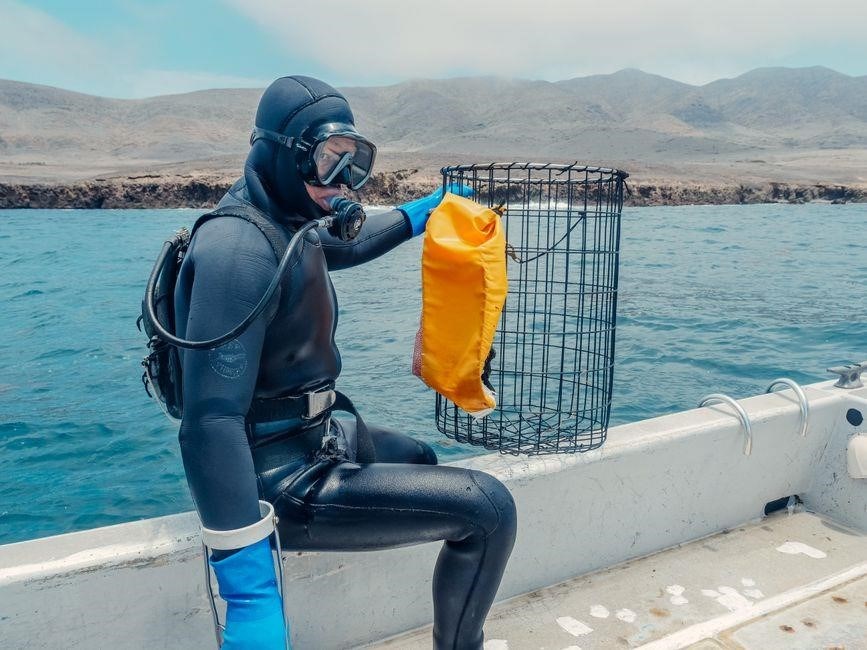
Begin by inspecting the hull for loose debris. Use a pressure washer at 2500 psi, sweeping from bow to stern. Apply barnacle buster gel with a foam applicator, covering all affected areas. Allow 15 minutes, then rinse with fresh water. Inspect for residual growth. Repeat until all barnacles aregone.
Clearing the Surface
Before applying any chemical, the hull must be thoroughly cleaned to ensure optimal adhesion and effectiveness of the barnacle buster. Start by removing loose debris, sand, and old paint flakes with a stiff‑bristle brush or a wire brush. Use a high‑pressure washer set to 2500 psi, moving from the bow to the stern in overlapping strokes to avoid streaks. After pressure washing, rinse the surface with fresh water to eliminate any remaining particulate matter. Next, inspect the hull for any residual barnacle fragments or stubborn patches; these areas may require additional scrubbing with a specialized marine abrasive pad. Once the surface is free of loose material, apply a marine‑grade primer that is compatible with the barnacle buster product. Allow the primer to dry completely, following the manufacturer’s recommended cure time. This priming step not only improves chemical adhesion but also provides a protective layer that helps prevent future biofouling. Finally, perform a final rinse with distilled water to remove any primer residue before proceeding to the application phase. Proper surface preparation is critical for achieving long‑term, effective barnacle removal and maintaining vessel performance. By adhering to these meticulous steps, mariners ensure that the barnacle buster not only removes existing fouling but also creates a smooth, chemically resistant surface that resists future colonization, thereby extending hull integrity, improving fuel efficiency, and supporting sustainable maritime operations for years to come tomorrow.
Applying the Barnacle Buster
Begin by diluting the barnacle buster according to the manufacturer’s instructions, typically a 1:10 ratio of concentrate to water. Use a clean, non‑metallic spray bottle or a dedicated foam applicator to avoid cross‑contamination. Apply the solution in a thin, even coat, covering all previously cleaned areas. Work in a well‑ventilated area and wear appropriate PPE: gloves, goggles, and a respirator if fumes are strong. After spraying, allow the chemical to sit for the recommended contact time, usually 10–15 minutes, but never exceed the maximum exposure to prevent surface damage. During this period, gently agitate the hull with a soft‑bristle brush to help the solution penetrate tight seams and crevices. Once the contact time elapses, rinse the hull with fresh water to remove residual chemicals. Inspect the surface for any remaining barnacle fragments; if necessary, repeat the application on stubborn spots. Finally, apply a protective marine sealant or anti‑fouling paint to lock in the treatment and provide a long‑term barrier against future growth. This systematic approach ensures that the barnacle buster works effectively while preserving hull integrity and minimizing environmental impact.
After the initial application, perform a secondary inspection with a high‑resolution camera or flashlight to locate any missed barnacle patches. If any remain, apply a second coat using the same dilution ratio and contact time. This double‑layer technique ensures thorough removal, especially in tight seams and the keel. After the final rinse, allow the hull to dry under direct sunlight for at least 12 hours to help break down residual organic matter. Document the treatment with before‑and‑after photos, noting date and product batch, to support future maintenance and regulatory compliance. All steps are recorded in the vessel log for audit purposes. inspections.
Rinsing and Inspection
After the barnacle buster has had its prescribed contact time, the next critical step is a thorough rinse. Use fresh, clean water delivered at a steady, moderate flow to avoid re‑attaching any loosened fragments. Begin at the bow, working your way aft, ensuring each section receives at least three passes. Employ a soft‑bristle brush or a foam pad to agitate the surface, especially around seams, chines, and the keel where barnacles cling most tenaciously. Once rinsed, allow the hull to air dry in a shaded area for a minimum of 12 hours; this prevents water spots and lets any residual chemicals evaporate fully.
Inspection follows rinsing. Use a high‑magnification lens or a handheld camera to examine the hull for any remaining barnacle tissue or chemical residue. Pay special attention to hidden corners, fastener heads, and the underside of the hull where visibility is limited. Mark any spots that require a second application. Document the inspection with photographs, noting the date, time, and specific areas treated. Record the results in the vessel’s maintenance log for future reference and regulatory compliance. A meticulous rinse and inspection routine ensures the hull remains clean, the barnacle buster effective, and the vessel ready for safe operation.
After the inspection, give the hull a quick rinse with a low‑pressure spray to dislodge any remaining debris. Dry the surface with a microfiber cloth, checking for streaks. If the hull is bare, apply a thin coat of marine primer to create a base for the protective layer, sealing the surface against future fouling.
Maintenance After Removal
Regular checks keep hull smooth and fuel efficient. Inspect quarterly, clean annually, and reapply protective coating every 18‑24 months. Log dates, conditions, and any new fouling for proactive upkeep Apply a anti‑fouling coat after cleaning to keep hull protected
Regular Inspection Schedule
Adhering to a structured inspection routine is essential for maintaining hull integrity and ensuring the longevity of the barnacle buster treatment. Begin with a visual survey every month, focusing on high‑traffic areas such as the keel, propeller shaft, and hull corners where barnacles tend to attach first. Use a high‑resolution camera or a drone equipped with a macro lens to capture detailed images that can be compared over time. Record the date, weather conditions, and any visible signs of new growth or wear. If barnacle activity is detected, schedule a more thorough cleaning session within two weeks to prevent biofouling from compromising the protective coating. Every quarter, perform a tactile inspection using a soft brush and a calibrated measuring device to detect micro‑cracks or surface irregularities that could serve as future attachment points; This step also allows you to verify the thickness of the anti‑fouling layer; a standard depth of 0.5 mm should be maintained for optimal performance. At the end of each season, conduct a comprehensive hull cleaning using the recommended barnacle buster solution, followed by a rinse and a final inspection to confirm that all residues have been removed. Maintain a detailed logbook or digital database that tracks each inspection, the actions taken, and any maintenance performed. This record not only aids in compliance with maritime regulations but also provides for predicting fouling patterns and optimizing maintenance schedules.