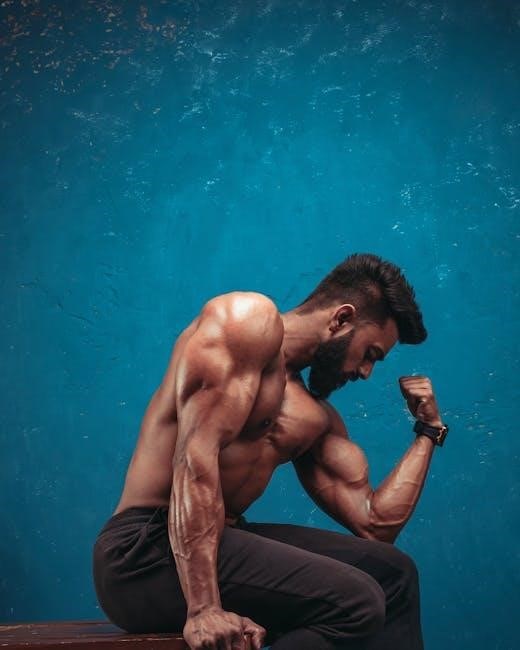
Bodybuilding poses are carefully crafted presentations showcasing muscular development, symmetry, and definition, often documented in PDF guides․
These poses aren’t random; they’re judged criteria, vital for demonstrating physique aesthetics and highlighting hard-earned muscle mass during competitions․
What are Bodybuilding Poses?
Bodybuilding poses are a series of carefully practiced and executed presentations designed to showcase a competitor’s physique to its fullest potential․ They aren’t simply flexing; they are artistic displays of muscularity, symmetry, and proportion, judged against specific criteria․ Competitors learn a standardized set of poses, often detailed in comprehensive PDF guides available online and through coaching resources․
These poses emphasize different muscle groups, allowing judges to assess development from all angles․ Common names include the Front Double Biceps, Front Lat Spread, Side Chest, Rear Double Biceps, and Rear Lat Spread, among others; Mastering these poses requires not only physical strength but also control, coordination, and an understanding of how to present the body to create the most visually appealing impression․ The goal is to highlight strengths and minimize any perceived weaknesses, all within the framework of the judging standards;
Why are Poses Important in Competition?
Poses are paramount in bodybuilding competitions because they are the primary method judges use to evaluate a competitor’s physique․ Muscle size is crucial, but it’s the presentation of that muscle – the shape, symmetry, and definition – that truly determines scoring․ Competitors utilize a set of mandatory poses, often outlined in detailed PDF guides, to demonstrate these qualities․
Effective posing can dramatically enhance a competitor’s appearance, making muscles appear fuller, more defined, and more symmetrical․ Judges assess how well a competitor hits each pose, their transitions between poses, and their overall stage presence․ Knowing the correct angles and contractions for each pose – like the Front Double Biceps or Rear Lat Spread – is vital․ A poorly executed pose can obscure muscle development, while a strong pose can accentuate it, potentially making or breaking a competitor’s chances of winning․
Mandatory Poses ౼ Men’s Bodybuilding
Men’s bodybuilding competitions require specific poses, detailed in PDF guides, to showcase muscularity; these include front and rear views, and side displays․
Front Double Biceps
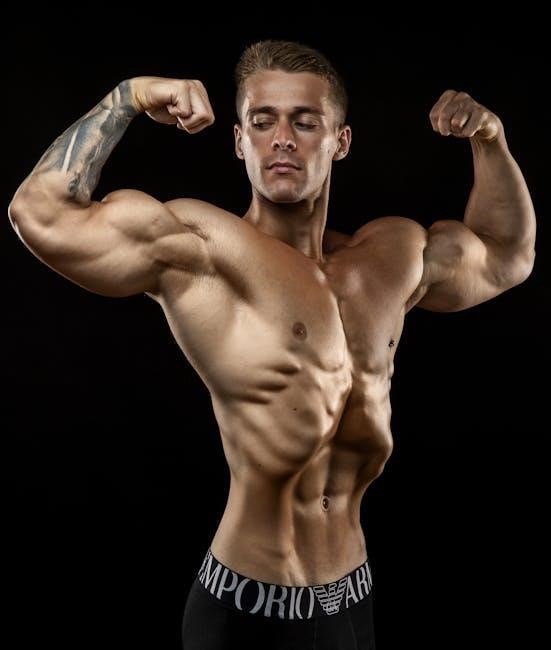
The Front Double Biceps pose is arguably the most iconic in bodybuilding, frequently featured in PDF pose guides and instantly recognizable to fans․ Competitors stand facing forward, flexing both biceps simultaneously, aiming to create a peak and showcase arm development․
Proper execution involves not only contracting the biceps but also engaging the forearms, shoulders, and even the chest to broaden the upper body․ Judges assess the size, shape, and peak of the biceps, as well as the overall symmetry and proportion of the upper body․ A strong pose demonstrates vascularity and muscle separation․
Many PDF resources detail subtle nuances, like hand positioning and elbow flare, to maximize the visual impact․ Mastering this pose requires consistent practice and attention to detail, as it sets the tone for the entire posing routine․
Front Lat Spread
The Front Lat Spread is a crucial pose in bodybuilding, prominently displayed in numerous PDF pose references, designed to showcase the width and development of the latissimus dorsi muscles – the “wings․” Competitors stand facing forward, extending their arms laterally and flaring their lats to create a broad, V-shaped torso․
Effective execution requires a strong contraction of the lats, coupled with a slight lean forward and a controlled breathing technique․ Judges evaluate the width, thickness, and density of the lats, as well as the overall shape and symmetry of the back․
Detailed PDF guides often illustrate optimal arm positioning and torso angles for maximizing the visual impact․ Achieving a powerful lat spread demands dedicated back training and precise posing practice, demonstrating a physique’s impressive breadth․
Side Chest
The Side Chest pose is a fundamental element in bodybuilding competitions, frequently detailed in PDF posing guides, used to assess pectoral, shoulder, and arm development from a profile view․ Competitors stand sideways to the judges, contracting their chest muscles and slightly extending one arm to showcase definition․
Judges evaluate the fullness and shape of the pectoral muscles, the separation between the chest and arms, and the overall muscularity of the upper body․ A successful Side Chest requires a strong mind-muscle connection and precise control of posture․
PDF resources often provide visual cues for optimal arm and torso positioning, emphasizing the importance of a relaxed yet controlled presentation․ Mastering this pose demonstrates a balanced and aesthetically pleasing physique, highlighting chest width and detail․
Rear Double Biceps
The Rear Double Biceps pose is a crucial assessment point in bodybuilding, commonly illustrated in PDF posing references, evaluating back width, lat spread, and biceps peak from a posterior perspective․ Competitors turn their backs to the judges, flexing both biceps simultaneously while maintaining a slight arch in their lower back․
Judges scrutinize the width of the lats, the definition of the spinal erectors, and the overall symmetry of the back muscles․ A strong Rear Double Biceps showcases a well-developed back, a key indicator of overall muscularity․
PDF guides often detail proper hand positioning and torso angling for maximizing visual impact, stressing the importance of a controlled and powerful presentation․ Achieving this pose effectively demonstrates a balanced physique and superior back development․
Rear Lat Spread
The Rear Lat Spread is a fundamental bodybuilding pose, frequently detailed in PDF posing guides, designed to showcase the width and development of the latissimus dorsi muscles․ Competitors turn to face away from the judges, extending their arms to the sides and flaring their lats as widely as possible․
This pose emphasizes back width, a critical judging criterion․ Judges assess the shape, density, and overall fullness of the lats, looking for a V-taper that signifies a well-developed physique․ Proper execution involves maintaining a stable core and controlled breathing․
PDF resources often illustrate optimal arm angles and torso positioning to maximize lat flare and visual impact․ Mastering this pose demonstrates a broad and powerful back, essential for competitive success․
Abdominal and Thigh
The Abdominal and Thigh pose, often illustrated in detailed bodybuilding pose PDF guides, demands a display of lower body and core muscularity․ Competitors typically stand side-on, flexing their quadriceps, hamstrings, and calves while simultaneously contracting their abdominal muscles․
This pose assesses leg development, separation, and the definition of the abdominal muscles․ Judges look for a clear distinction between muscle groups, showcasing vascularity and overall symmetry․ Achieving a strong contraction requires focused mental engagement and proper technique․

PDF resources frequently provide visual cues for optimal foot placement and torso angling to accentuate muscle shape․ A well-executed Abdominal and Thigh pose demonstrates a balanced and aesthetically pleasing lower body, crucial for overall scoring․
Most Muscular
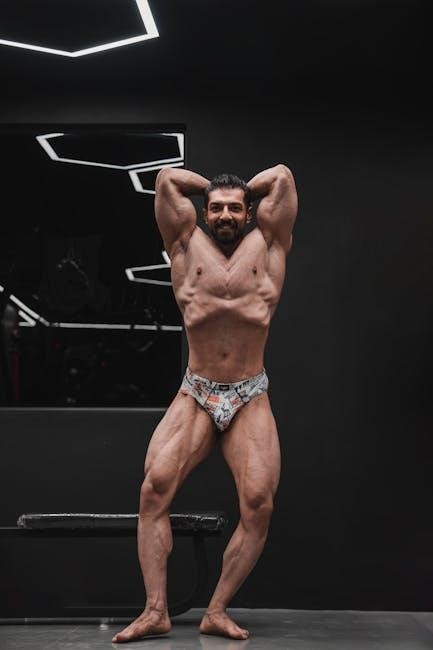
The Most Muscular pose, a cornerstone of men’s bodybuilding, is frequently detailed in PDF pose guides, emphasizing overall mass and definition․ Competitors adopt a wide stance, flexing every muscle group simultaneously, creating a powerful and imposing physique presentation․
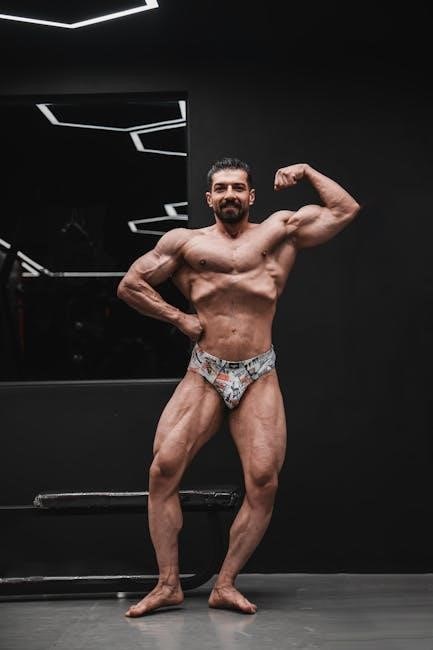
This pose isn’t just about size; it’s about showcasing muscle density, vascularity, and the athlete’s ability to control and contract their entire musculature․ Judges evaluate the overall impression of power and the clarity of muscle separation․
PDF resources often illustrate hand positioning and torso angles to maximize visual impact․ Mastering the Most Muscular requires significant strength, control, and practice, demonstrating peak physical condition and a commanding stage presence․
Mandatory Poses ౼ Women’s Bodybuilding
Women’s bodybuilding poses, often outlined in PDF guides, emphasize muscularity, symmetry, and a feminine athletic physique for judging criteria․
Front Double Biceps (Women’s)
The Front Double Biceps pose for women’s bodybuilding is a foundational mandatory pose, frequently detailed in PDF pose guides for reference and practice․
Athletes stand facing forward, flexing both biceps simultaneously while maintaining a slight arch in the back and broadening the lats to showcase width․
Proper execution involves contracting the biceps peak, achieving a full, round shape, and ensuring symmetrical development in both arms․
Judges assess not only biceps size but also the overall arm shape, forearm development, and the connection to the shoulder muscles․
A strong pose demonstrates vascularity, muscle separation, and a balanced physique, crucial for scoring well in competition․
Many PDF resources provide visual breakdowns and coaching cues to help athletes refine their technique and maximize impact․
Front Lat Spread (Women’s)
The Front Lat Spread is a critical mandatory pose in women’s bodybuilding, extensively illustrated in PDF pose guides for detailed study and practice․
Competitors stand facing forward, extending their arms laterally and flaring the latissimus dorsi muscles to create a wide, V-shaped torso․
Effective execution requires maximizing lat width, achieving a full spread, and maintaining a controlled, stable posture․
Judges evaluate the size, shape, and density of the lats, as well as the overall back development and symmetry․
A successful pose showcases a broad back, a narrow waist, and a defined separation between the lats and other muscle groups․
Numerous PDF resources offer tips on proper technique, breathing, and achieving optimal lat flare for competitive advantage․
Side Chest (Women’s)
The Side Chest pose is a fundamental element of women’s bodybuilding routines, frequently detailed in comprehensive PDF pose reference materials․
Athletes stand sideways to the judges, emphasizing pectoral, deltoid, and abdominal muscle development․
Proper form involves contracting the chest muscles, broadening the shoulders, and tightening the abdominal wall for a sculpted appearance․
Judges assess pectoral size, shape, and definition, alongside shoulder width and overall upper body symmetry․
A strong pose demonstrates a full, round chest, well-defined deltoids, and a tight, tapered waistline․
Many PDF guides provide visual breakdowns of the pose, highlighting key muscle contractions and common errors to avoid during competition․
Rear Double Biceps (Women’s)
The Rear Double Biceps pose, a staple in women’s bodybuilding, is meticulously illustrated in numerous PDF pose guides for athletes․
Competitors turn their backs to the judges, flexing both biceps simultaneously while maintaining a slight arch in the back․
This pose showcases the development of the biceps, back muscles (lats, rhomboids, traps), and posterior deltoids․
Judges evaluate biceps peak, width, and overall arm development, alongside back thickness and symmetry․
A successful pose demonstrates full biceps contraction, a wide, V-shaped back, and balanced muscle development․
Detailed PDF resources often include tips on hand positioning, back arching, and achieving optimal muscle separation for a winning presentation․
Rear Lat Spread (Women’s)
The Rear Lat Spread is a crucial pose for women’s bodybuilding, frequently detailed in comprehensive PDF pose reference materials․
Athletes turn to display their backs, extending arms to the sides and flaring the latissimus dorsi muscles, creating a wide “wingspan․”
This pose emphasizes back width, muscle separation, and the V-taper, showcasing the athlete’s overall back development․
Judges assess lat width, lower back thickness, and the definition of the spinal erectors and trapezius muscles․
Proper execution involves maintaining a stable core, controlled breathing, and maximizing lat flare without compromising posture․
PDF guides often provide visual breakdowns and coaching cues to help competitors achieve a powerful and aesthetically pleasing rear lat spread․
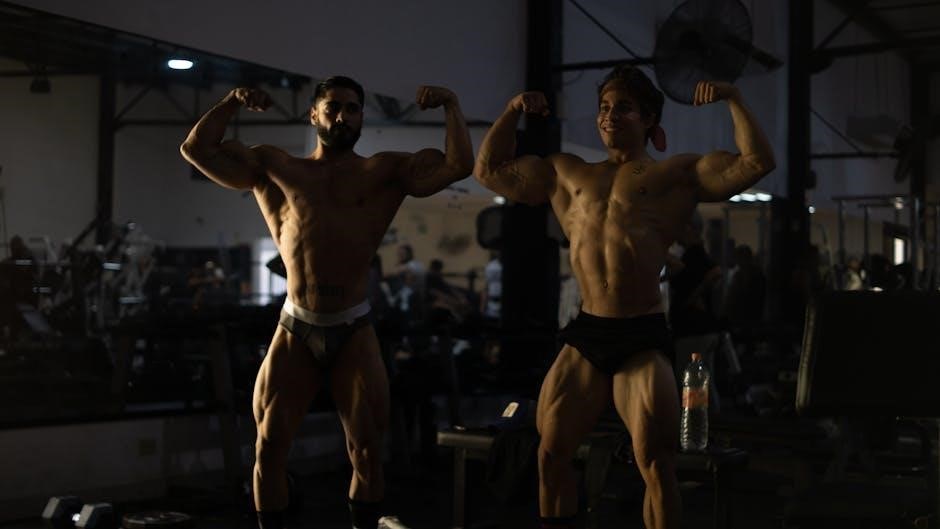
Presentation & Flow
Smooth transitions between bodybuilding poses, often outlined in PDF guides, are essential for a captivating routine and maximizing impact on judges․
The Importance of Transitions
Transitions are arguably as crucial as the poses themselves in a bodybuilding presentation; they demonstrate control, fluidity, and a competitor’s ability to seamlessly showcase their physique from multiple angles․
Abrupt or awkward shifts detract from the overall impression, while graceful movements enhance the aesthetic appeal and highlight muscularity․ Competitors often utilize PDF guides detailing pose sequences and transition techniques to refine their routines․

Effective transitions aren’t merely about moving between poses, but about creating a narrative – a visual story that emphasizes strengths and minimizes weaknesses․ They allow judges to fully appreciate the athlete’s physique and artistry, contributing significantly to the overall scoring․ Mastering these flows requires dedicated practice and attention to detail․
Individual Posing Routines
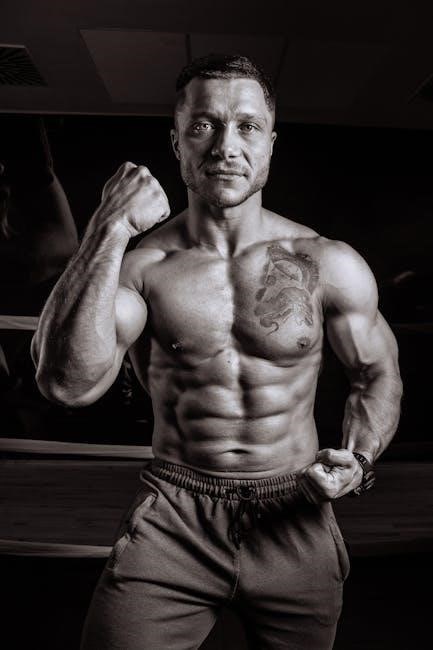
Individual posing routines represent a bodybuilder’s personal expression, allowing them to showcase their physique to music and demonstrate personality alongside muscular development․
These routines, often meticulously planned and rehearsed, are distinct from mandatory poses and offer a chance to highlight individual strengths and artistry․ Many competitors utilize PDF resources outlining successful routine structures and musical selections․
A compelling routine blends dynamic movements, strategic posing choices, and musical synchronization to create a memorable performance․ It’s an opportunity to connect with the audience and judges on a more personal level, demonstrating confidence and stage presence․ The routine’s length and complexity are governed by competition rules, demanding both physical endurance and creative flair․
Classic Posing & Modern Variations
Classic posing, rooted in the “Golden Era,” emphasizes flow and aesthetics, often detailed in PDF guides, while modern routines prioritize dynamic presentation․
The Golden Era of Posing
The Golden Era of Bodybuilding, roughly from the 1960s to the 1980s, cultivated a unique style of posing that prioritized artistry and muscularity, often meticulously documented in pose reference PDF guides․
Legends like Arnold Schwarzenegger, Frank Zane, and Lee Haney weren’t just displaying muscle; they were telling stories with their physiques, emphasizing transitions and creating a captivating performance․
Poses like the Front Double Biceps, Lat Spread, and Most Muscular were executed with a focus on smooth, graceful movements and holding each pose with perfect form․
These routines weren’t about speed or complexity, but about showcasing the body’s lines and proportions to their fullest extent, a standard often outlined in detailed PDF pose breakdowns․
The emphasis was on a holistic presentation, blending muscular development with theatrical flair, creating an enduring legacy that continues to influence posing today․
Current Trends in Posing
Modern bodybuilding posing reflects an evolution from the classic Golden Era, with increased emphasis on dynamic movement and showcasing 360-degree muscularity, often detailed in contemporary PDF pose guides․
Competitors now frequently incorporate more complex transitions and flowing routines, aiming to demonstrate control and artistry alongside sheer muscle mass․
While mandatory poses – like Front Double Biceps, Rear Lat Spread, and Abdominal & Thigh – remain crucial, individual routines allow for greater creative expression, frequently referencing pose PDFs for inspiration․
There’s a growing trend towards incorporating elements of dance and performance art, pushing the boundaries of traditional posing expectations․
Judges are increasingly looking for competitors who can seamlessly blend muscularity with stage presence, making posing a critical component of overall success, as illustrated in modern posing PDF resources․
Resources for Learning Poses
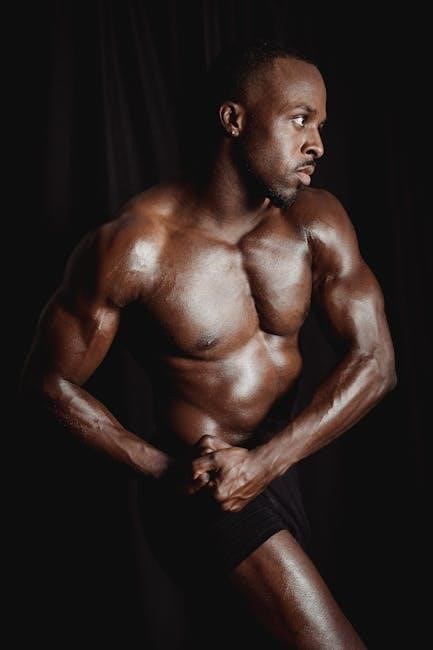
Numerous PDF guides and online tutorials detail bodybuilding poses names, offering visual references and step-by-step instructions for aspiring competitors and enthusiasts․
Online Guides and Tutorials
The internet provides a wealth of resources for learning bodybuilding poses, ranging from simple image galleries to comprehensive video tutorials․ Many websites dedicated to fitness and bodybuilding offer detailed breakdowns of mandatory poses, often including PDF downloads listing bodybuilding poses names for easy reference․
YouTube is an invaluable platform, hosting channels featuring professional bodybuilders and posing coaches demonstrating proper technique and offering tips for improvement․ These tutorials often cover both men’s and women’s mandatory poses, as well as creative individual routines․ Websites like Bodybuilding․com also feature articles and forums where athletes share their knowledge and experience․
Searching for specific pose names, such as “Front Double Biceps tutorial” or “Rear Lat Spread guide,” will yield numerous results․ Remember to critically evaluate the source and prioritize information from reputable coaches and experienced competitors․ Utilizing a combination of visual and textual resources, including downloadable PDF pose lists, is highly recommended for effective learning․
PDF Guides for Pose Reference
PDF guides dedicated to bodybuilding poses are incredibly valuable tools for athletes preparing for competition․ These documents typically outline each mandatory pose with detailed descriptions and accompanying images, serving as a portable and easily accessible reference․ Many include comprehensive lists of bodybuilding poses names, categorized by gender and competition class․
A well-structured PDF will break down each pose step-by-step, highlighting key muscle groups to emphasize and common mistakes to avoid․ Some guides even include diagrams illustrating optimal body angles and hand positioning․ Searching online for “bodybuilding pose guide PDF” will reveal numerous options, ranging from free resources to professionally created materials․
When selecting a PDF, prioritize those created by experienced coaches or judges․ These guides often offer insights into judging criteria and provide practical tips for maximizing stage presence․ Having a physical or digital copy of a pose guide allows for consistent practice and self-assessment, ensuring proper form and presentation․
Practicing and Improving Your Poses
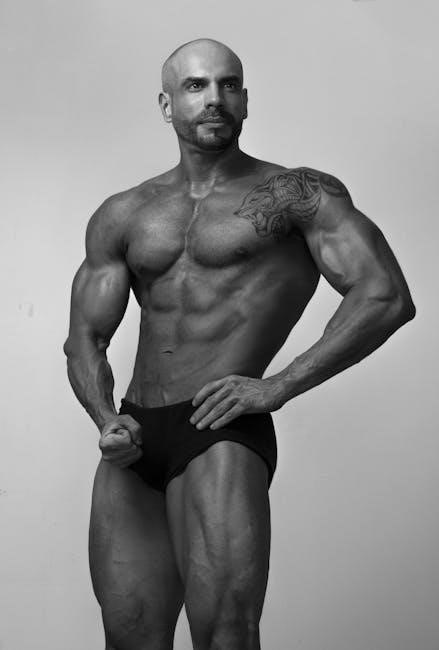
Consistent practice, utilizing bodybuilding poses names from PDF guides, is crucial for refining technique and building confidence on stage for optimal results․
Mirror Work and Self-Assessment
Mirror work is foundational for mastering bodybuilding poses․ Regularly practicing in front of a mirror allows for immediate visual feedback, identifying areas needing improvement in execution and presentation․
Utilize PDF guides listing bodybuilding poses names to ensure you’re accurately replicating the required forms․ Pay close attention to muscle contractions, posture, and overall symmetry․
Self-assessment involves critically evaluating your posing from multiple angles․ Record yourself performing poses and compare it to professional examples․ Look for inconsistencies, weaknesses in muscle presentation, or areas where your posing appears awkward or unnatural․
Focus on achieving the correct lines and shapes for each pose, ensuring a full and balanced muscular display․ Don’t just memorize the poses; understand the muscle groups each pose is intended to showcase․ Consistent self-critique, combined with reference materials, accelerates progress and refines your stage presence․
Seeking Feedback from Coaches
While self-assessment is valuable, a coach’s experienced eye provides crucial, objective feedback on your bodybuilding poses․ They can identify subtle flaws you might miss, refining your technique for maximum impact․
Bring PDF guides detailing bodybuilding poses names to coaching sessions․ This ensures clear communication and a shared understanding of the required poses and their correct execution․
A good coach will analyze your posing for symmetry, muscle control, and stage presence, offering personalized adjustments to enhance your physique’s presentation․ They can also help you develop transitions between poses, creating a seamless and captivating routine;
Don’t be afraid to ask questions and actively seek constructive criticism․ A coach can help you understand the judging criteria and tailor your posing to highlight your strengths and minimize weaknesses, ultimately improving your competitive edge․